Define the vehicle groups
List models, service-condition dimensions and rooftop equipment layouts. Group tasks that share access requirements and identify exceptions needing a separate arrangement.

Fiberglass fleet access planning
Prepare a fiberglass bus maintenance platform RFQ with vehicle dimensions, task positions, bay constraints, component scope, documentation and delivery needs.
Application overview
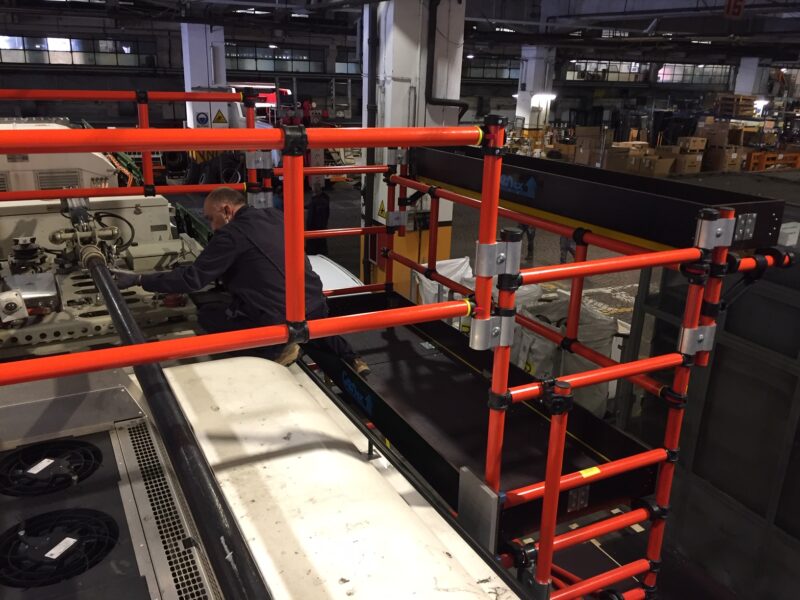
A useful bus access RFQ gives suppliers the same measured problem to solve. Begin with a vehicle-by-task matrix, then attach the bay plan and desired standing positions. Ask suppliers to identify the complete offered configuration and the assumptions behind it. Compare platform geometry, compatible components, intended loads, access and support requirements together. A low initial price is difficult to interpret when guardrails, access, stabilization, documentation or freight are outside the scope.
Where it fits
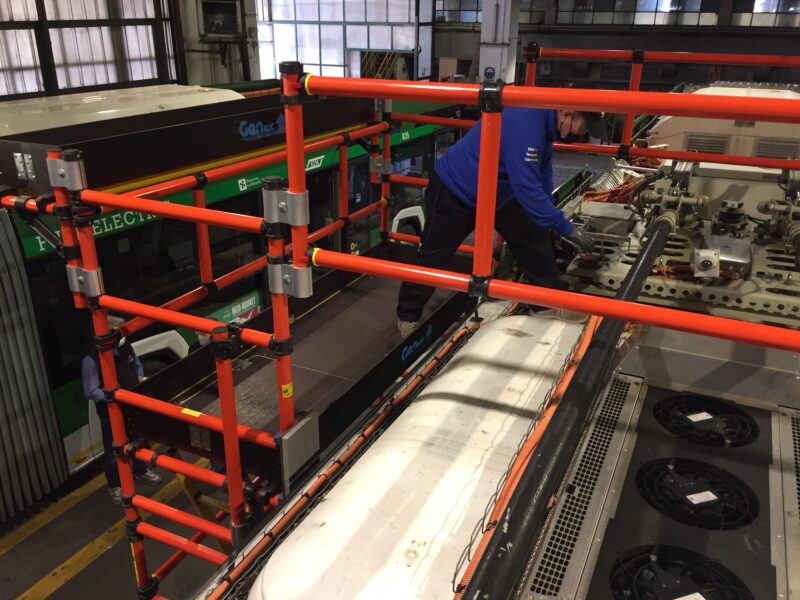
Real-world starting points for discussing the work, footprint and environment.
List models, service-condition dimensions and rooftop equipment layouts. Group tasks that share access requirements and identify exceptions needing a separate arrangement.
Include floor and bay constraints, storage routes, exposure conditions and authorized electrical or mechanical work controls. Provide measurements rather than only descriptive photographs.
Request itemized component packages, reviewed configurations and written scope assumptions. Distinguish supplied equipment from customer-provided items and separate lifting arrangements.
Specify quantities, delivery locations, unloading constraints and timing. Ask what instructions, configuration documents and ongoing component support accompany the supplied system.
Make a better decision
Use vehicle geometry, the maintenance sequence and the complete system requirements together.
Agree on the drawings, dimensions and documentation to be checked before equipment is put into service. The procurement process should identify who reviews the final configuration and vehicle interfaces.
Ask for written support for capacity, compatible components and any electrical rating claimed for the exact supplied system. Avoid comparing blanket compliance phrases instead of configuration-specific information.
Ask about inspection guidance, replacement components, storage and permitted configuration changes. Confirm lead time, warranty terms, freight and supply scope in the actual quotation.
Common specification mistakes
Selection guidance
Send one measured brief to every supplier. State required documentation and identify who will review configuration, support conditions and vehicle interfaces before the equipment is used.
Discuss Your Requirements01—05
Information to include
A better specification process
Documenting the work before choosing components reduces assumptions and helps compare practical options.
Record the service condition, exact work points, vehicle envelope and bay restrictions.
Compare usable deck area, access, guardrails, compatibility, support and required stabilization.
Obtain written configuration details, documentation, component quantities and delivery terms.
Bus & transit access guides
Choose the service area, then compare the vehicle geometry, working position and complete-system requirements.
Plan fiberglass scaffold and platforms for bus, coach and transit maintenance. Explore roof, HVAC, electrical and fleet-bay access, then request a project quote.
View details↗Plan fiberglass bus roof access platforms around service points, roof covers and bay clearances. Review standing height, reach, load and vehicle separation.
View details↗Evaluate fiberglass maintenance platforms for coaches and motorcoaches. Plan access around taller rooflines, side panels, mirrors and workshop constraints.
View details↗Plan fiberglass side-access platforms for transit bus bodywork and upper service areas. Include doors, mirrors, panel movement and protected vehicle clearance.
View details↗Compare mobile fiberglass access for bus and fleet maintenance. Review caster routes, floor joints, bay positioning, stabilization and storage before quoting.
View details↗Scope fiberglass bus maintenance access for multiple working heights. Compare approved modular configurations with purpose-designed adjustable platform needs.
View details↗Plan fiberglass access for bus HVAC and rooftop equipment service. Include open covers, work-side reach, tools, component handling and maintenance-bay clearance.
View details↗Evaluate fiberglass access for electric bus and battery maintenance. Match the work position to vehicle geometry, electrical authorization and service clearances.
View details↗Plan fiberglass platforms for bus body and windshield work. Review curved surfaces, technician positions, glazing handling, mirrors and protected separation.
View details↗Plan fiberglass access across bus maintenance bays. Review pits, vehicle hoists, columns, traffic routes, storage and complete platform footprints before selection.
View details↗Scope custom modular fiberglass access around bus rooflines and maintenance tasks. Define geometry, interfaces, complete-system loads and bay constraints.
View detailsUse vehicle-manufacturer service procedures and the supplied access-system instructions alongside the facility's task review. The photos show bus rooftop maintenance access; they do not establish the specifications or suitability of a quoted system.
OSHA general-industry scaffold requirements refer to the scaffold requirements in 1926 Subpart L. For servicing hazards, consult hazardous-energy control and electrical work practices; the responsible employer determines how the requirements apply.
Discuss broader material options through Scaffold Syndicate's bus and transit access resources, or request a fiberglass access quote. Updated October 5, 2026.
Continue your research
Move between product, application and technical pages without losing the context of the current decision.
Page-specific answers
Clear answers help teams evaluate fit, collect the right project details and begin a productive conversation.
Ask a QuestionInclude vehicle and bay dimensions, work positions, intended loads, access and protection needs, component scope, documentation, quantities and delivery requirements.
No. Pricing depends on the complete configuration, supply scope, quantities and delivery requirements and is confirmed in a quotation.
Compare the same working geometry, loads, component scope, documentation and delivery terms. Identify exclusions and assumptions before comparing total prices.
Review the supplied configuration, instructions, compatibility, support conditions, training, inspection and employer authorization against the actual task.
Need the right configuration?
Share the application, footprint, environment and access requirements. We’ll help identify a practical next step.
Specialized companies. One access network.