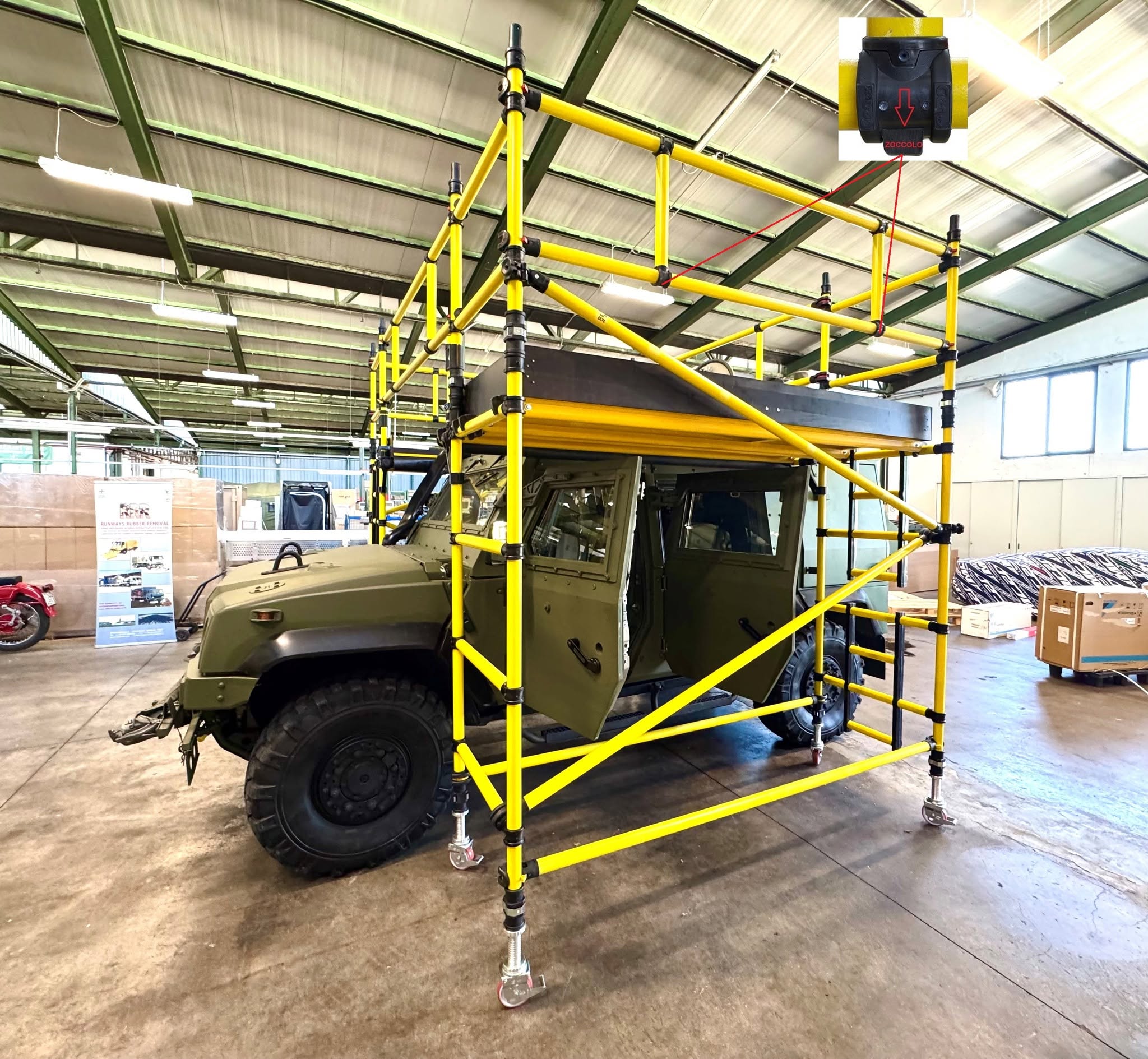
Narrow-width towers
Compact footprints for aisles, electrical rooms and restricted work zones.
Explore narrow width →
Fiberglass scaffold systems for specialized industrial access
Compare fiberglass scaffold towers, platforms and parts for electrical, utility and industrial access. Browse configurations and request a project-specific quote.
Compare before you quote
Choose a system by its dimensions, access method and intended work position. Frame width is only part of the installed footprint: stabilizers, access and clearance can require more space.
| Configuration | When to consider it | What to confirm |
|---|---|---|
| Narrow-width scaffold | Restricted aisles, equipment rooms and routes where a compact frame helps. | Compare the 29-inch system with the 27.6-inch 2600 configuration; they are separate systems. |
| Double-width scaffold | A broader working area for the task, tools and intended occupants. | Compare the 54-inch system with the 47.2-inch 2600 configuration. Confirm the complete-system load rating. |
| Folding or quick-base access | Repeat facility tasks where transport, storage and deployment matter. | Confirm the exact base, supported height and compatible components. Review quick-base options. |
| Standard modular towers | Tasks requiring a configured frame, platform and access package. | Check platform elevation, bracing, guardrails, access, base support and stabilizers. Compare tower kits. |
A 6-foot or 8-foot bay describes its length, not how high you stand. Some systems also offer 10-foot bays. Confirm the actual usable deck dimensions on the selected product page.
Include your application, height needed to reach, desired platform length, intended people and load, quantity, delivery address and needed-by date. Photos can help explain access constraints. Select “Not sure” when you need help choosing.
Our team confirms the compatible component package, freight and schedule during review.
Get help selecting your scaffoldStart with the system
Fiberglass Scaffold focuses on non-conductive and corrosion-resistant access equipment for specialized industrial work. Compare tower widths, platform formats, components and custom solutions, then match the configuration to the task, route, environment and required work position.
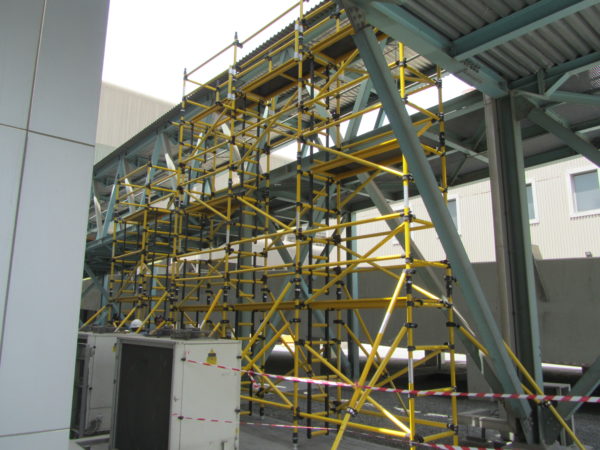 ↗
Compare available fiberglass mobile tower configurations by width, deck length, frame height and application.
View details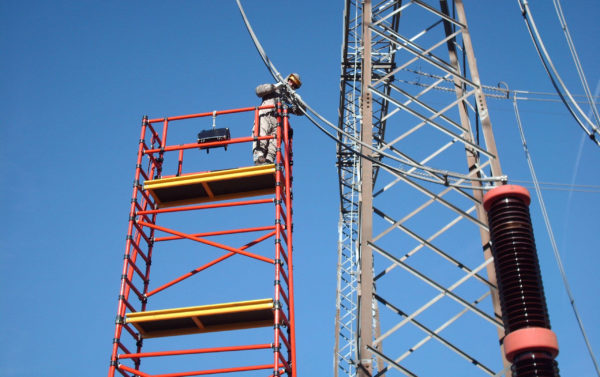 ↗
Narrow fiberglass scaffold with 6-, 8- and 10-foot bay options for restricted access.
View details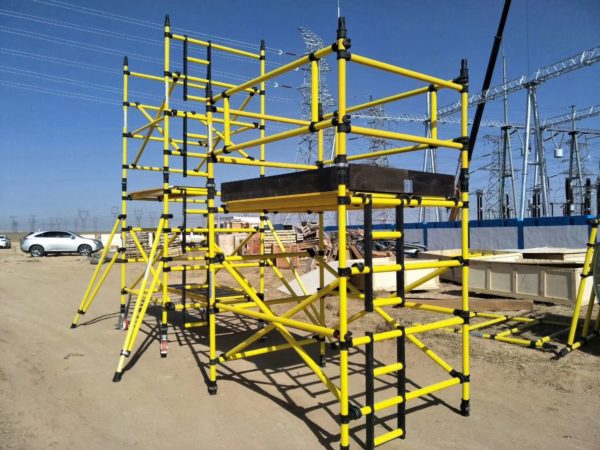 ↗
Double-width fiberglass scaffold with 6-, 8- and 10-foot bay options for broader work areas.
View details↗Compare configured tower systems by width, bay length and platform height.
View details↗Modular fiberglass scaffold systems for industrial access and maintenance.
View details↗29-inch compact access for aisles, equipment rooms and restricted work zones.
View details↗54-inch work decks for crews, tools and applications requiring more platform area.
View details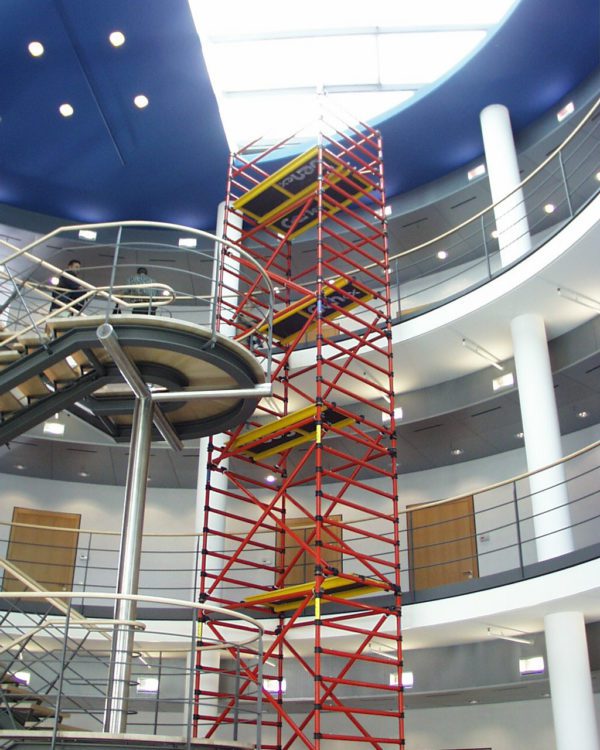 ↗
Fast-deploy access for inspection, service and facility work.
View details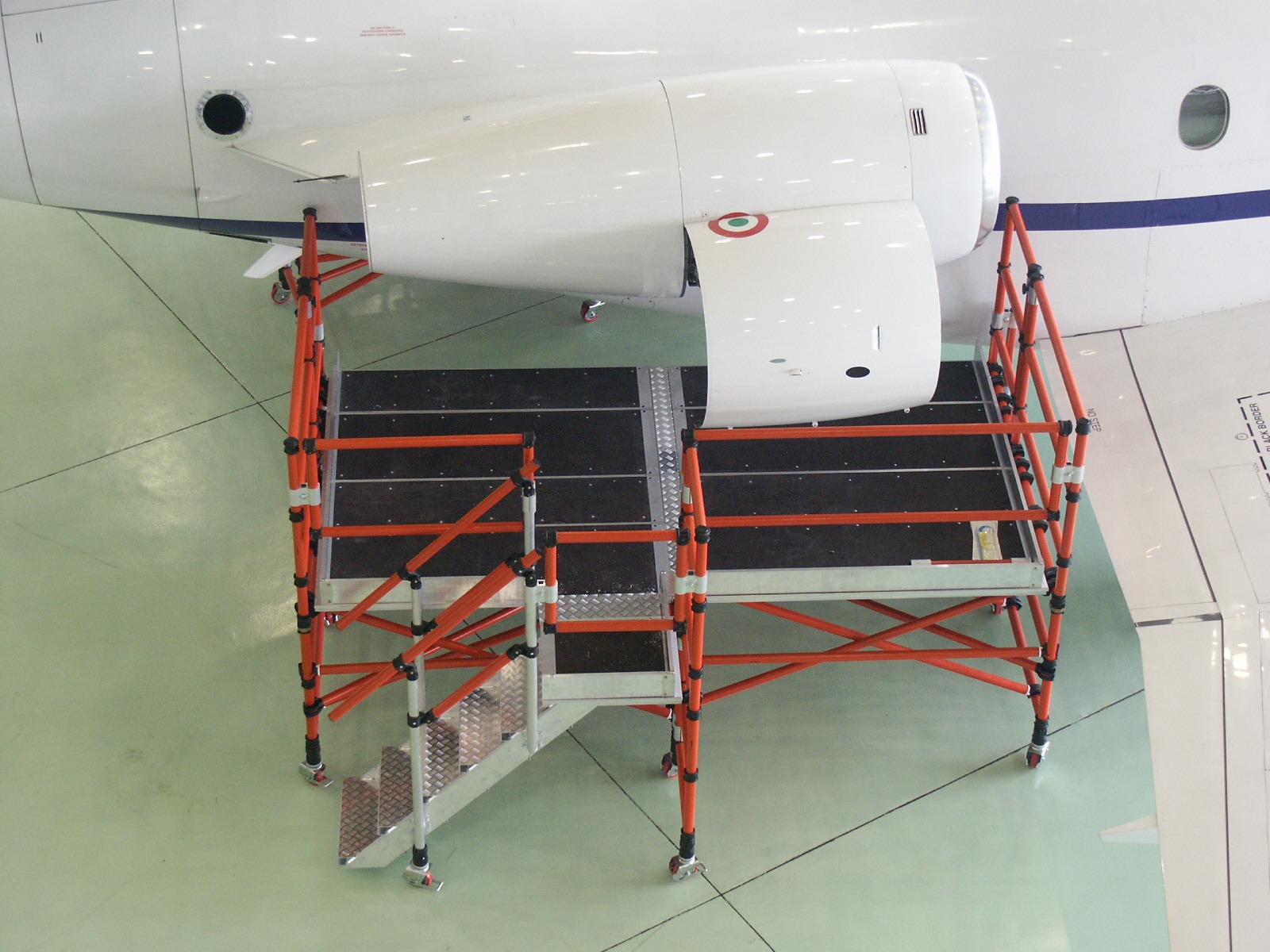 ↗
Purpose-built elevated platforms for repeatable access needs.
View details↗Fiberglass perimeter protection components and configurations.
View details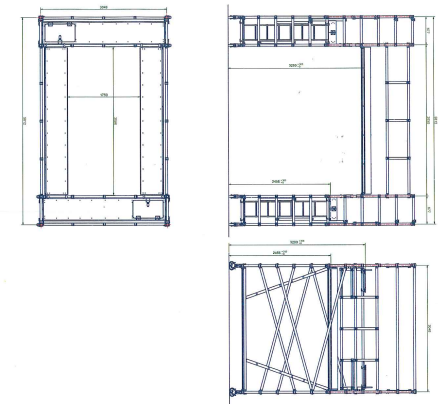 ↗
Frames, braces, platforms, casters and replacement components.
View details↗Engineered access for unusual footprints, clearances and operating conditions.
View detailsWhy fiberglass
Fiberglass is commonly evaluated where conductive metal, corrosion, moisture or sensitive equipment creates additional planning concerns. Material choice is one part of a complete access and safety program—not a substitute for hazard controls, manufacturer instructions or site-specific review.
Compare configurations
Use width, platform length, access method, route and work-point geometry together. A narrow tower may solve an aisle problem; a wider tower may provide a more practical work area. Final height, stabilizers, guardrails and compatible components remain configuration-specific.
Compact footprints for aisles, electrical rooms and restricted work zones.
Explore narrow width →Broader work platforms for crews, tools and larger maintenance tasks.
Explore double width →Portable configurations for inspection, service and repeat facility work.
Explore folding scaffold →Task-specific layouts for unusual equipment geometry, clearances and workflows.
Explore custom solutions →Application expertise
See how access planning changes across electrical, utility, aerospace, chemical, refinery and controlled environments.
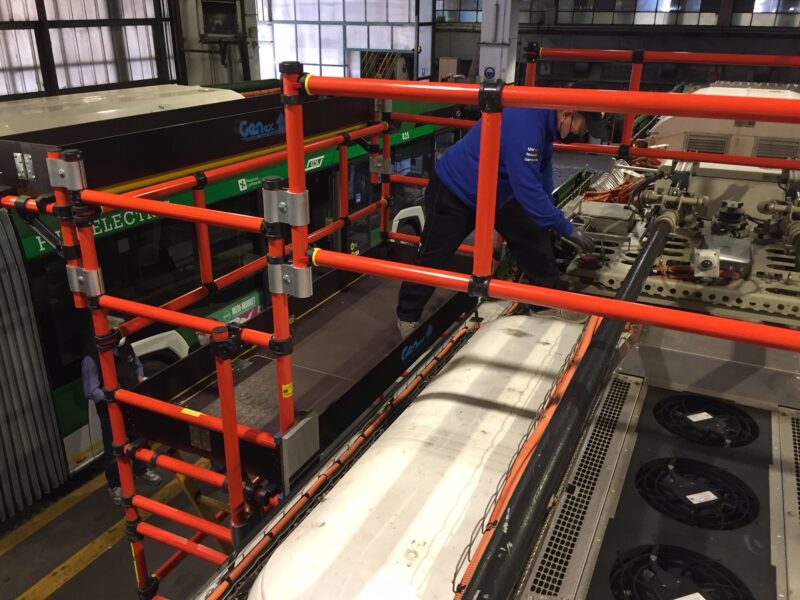 ↗
Fiberglass access for bus roof, HVAC, electrical, body and fleet-bay maintenance.
View details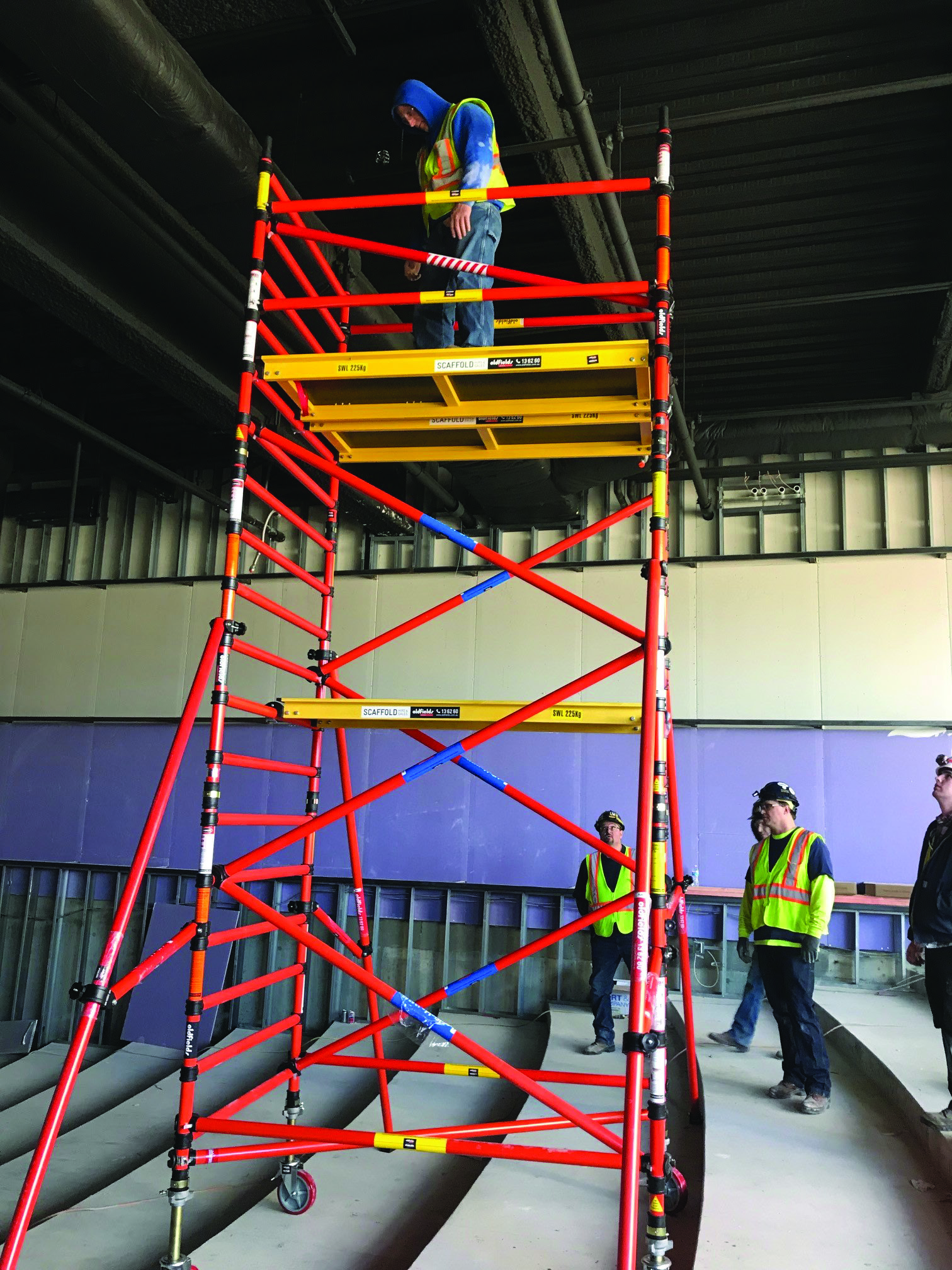 ↗
Fiberglass access for server halls, overhead pathways, electrical and cooling maintenance.
View details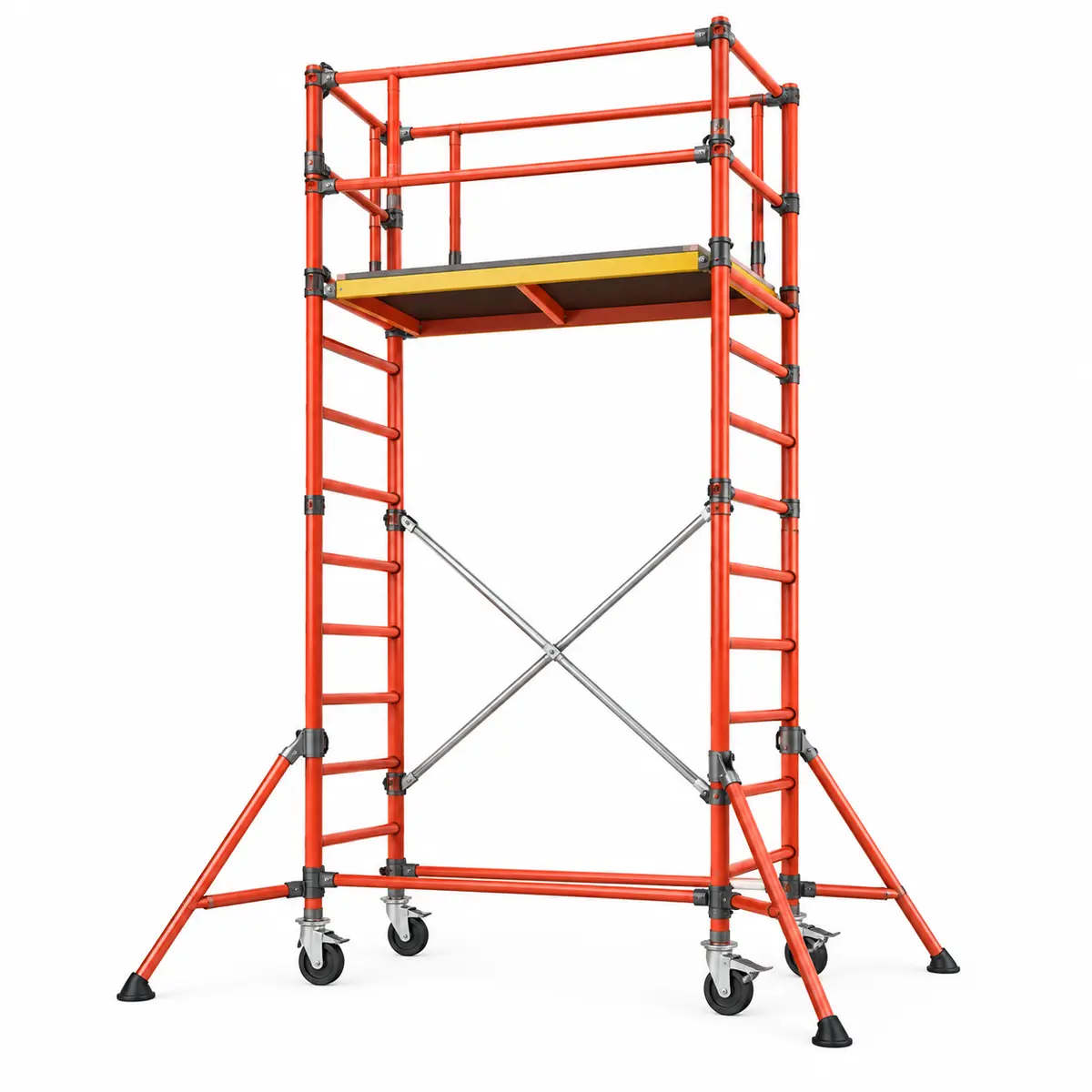 ↗
Access equipment for electrical environments where conductive materials may introduce additional hazards.
View details↗Portable access for substations, generation facilities and utility maintenance.
View details↗Fiberglass access planning for electrical substations, switchyards and utility equipment zones.
View details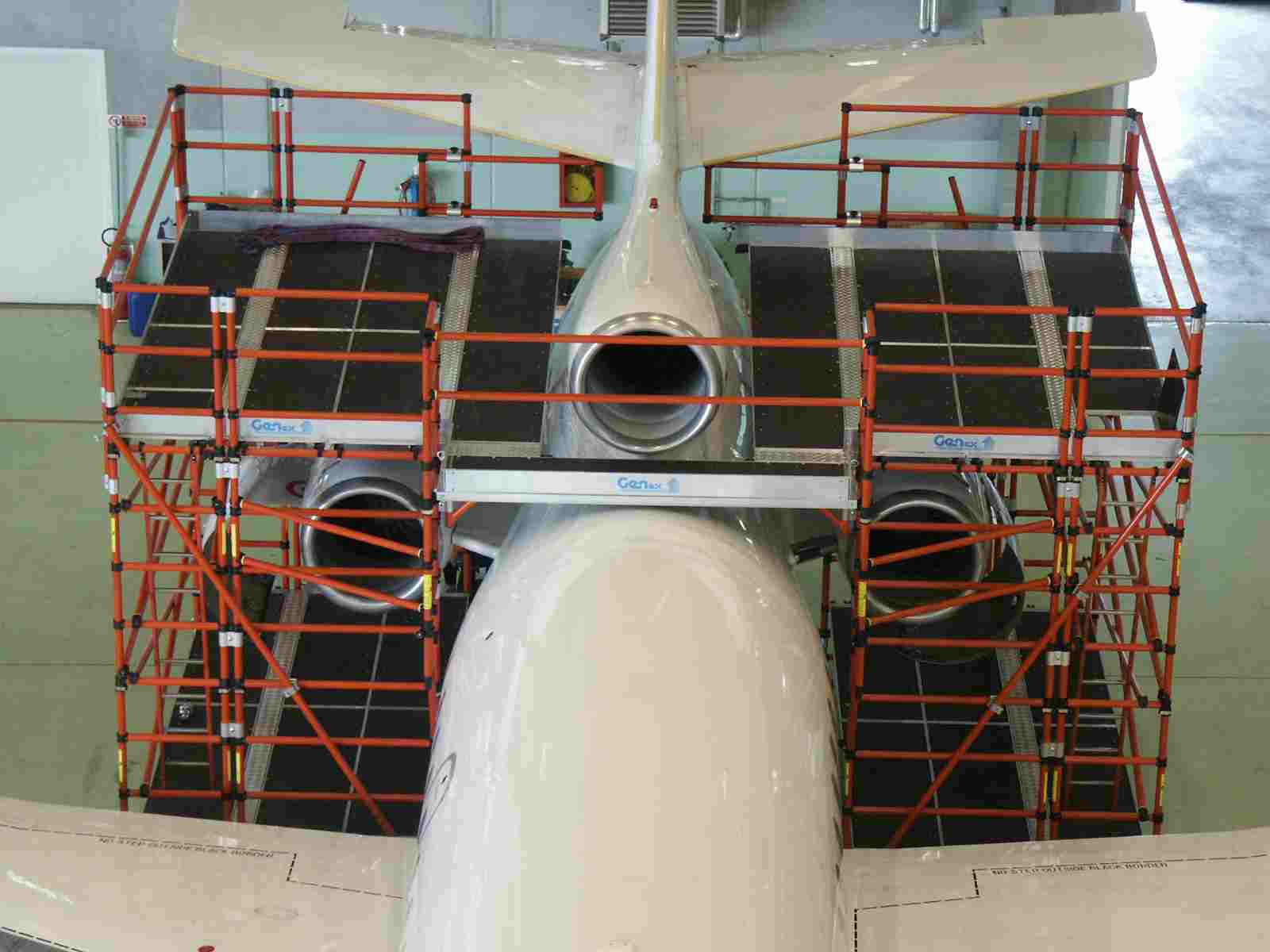 ↗
Fiberglass access for aircraft inspection, MRO, engine service, fuselage, wing and tail maintenance.
View details↗Corrosion-resistant access for aggressive industrial environments.
View details↗Maintenance access designed around congested process equipment.
View details↗Specialized access planning for controlled and sensitive facilities.
View detailsSelection guidance
A useful fiberglass scaffold inquiry includes the required standing position, footprint, travel route, surface, environment, nearby hazards, quantity and timing. That information is more valuable than a single requested tower height.
Technical resources
Use our planning guides for OSHA scaffold requirements, electrical hazards, inspection, corrosive environments and quote preparation, with direct links to primary safety resources.
Understand capacity, access, fall protection, training and complete-system responsibilities.
Read guide →Understand what fiberglass material choice does—and does not—change around electrical hazards.
Read guide →Build a repeatable inspection and planning process before equipment is put into service.
Read guide →Collect the dimensions, application details and site conditions needed for a productive quote.
Read guide →Compare conductivity, corrosion, handling and application fit before choosing a material.
Compare materials →Compare weight, conductivity, corrosion and industrial-use considerations.
Compare materials →Understand what changes a fiberglass scaffold quote without publishing fixed product pricing.
View cost factors →Answers before you quote
Clear answers help teams evaluate fit, collect the right project details and begin a productive conversation.
Ask a QuestionFiberglass components are valued for their electrically non-conductive material properties. A complete jobsite hazard assessment, required clearances, inspection and all applicable regulations still govern safe use.
No. Material selection is only one part of a safety program. Employers and competent persons must address energized-work practices, approach boundaries, site conditions and applicable OSHA requirements.
Common applications include electrical maintenance, utilities, chemical processing, refineries, aerospace facilities, laboratories, clean rooms and corrosive environments.
Yes. Custom configurations can address restricted footprints, unusual equipment geometry, repeatable maintenance tasks and specialized facility requirements.
Yes. Fiberglass Scaffold supports customers nationwide. Delivery scope, lead time and freight requirements are confirmed with each quotation.
Send the required platform height, approximate working height, footprint limits, application, site conditions and desired quantity through the quote form, or call (877) 697-2233.
Need the right configuration?
Share the application, footprint, environment and access requirements. We’ll help identify a practical next step.
Specialized companies. One access network.