Windshield inspection and preparation
Identify the exact portion of the glazing to be reached and the desired work-side position. Front-end curvature may require more than one deck position.
Fiberglass fleet access planning
Plan fiberglass platforms for bus body and windshield work. Review curved surfaces, technician positions, glazing handling, mirrors and protected separation.
Application overview
Bus body and windshield tasks involve work surfaces that can curve, project or change direction across the front and sides of the vehicle. Fiberglass access should be scoped around the technician's position and intended work sequence rather than a single nominal platform height. Surface protection, tooling and any glazing-handling process need explicit requirements. A platform used for personnel access is not automatically a fixture for supporting windshields, holding glass or carrying removal equipment.
Where it fits
Real-world starting points for discussing the work, footprint and environment.
Identify the exact portion of the glazing to be reached and the desired work-side position. Front-end curvature may require more than one deck position.
Document work points, panel removal space and tool requirements. Preserve neighboring doors, mirrors and service access while the platform is in place.
Separate personnel access from the rated handling equipment and process for the glass. Include staging and removal paths in the bay brief.
Identify processes that involve chemicals, abrasion or hot work. Material compatibility and exposure controls require task-specific review.
Make a better decision
Use vehicle geometry, the maintenance sequence and the complete system requirements together.
Measure the front and side profiles, not only the maximum vehicle width. A straight platform may leave some work points too far away or create interference at a corner.
Define stand-off distances and any approved protective interface. Fiberglass equipment still contains hardware and moving parts that can damage glazing or finishes.
Include technicians, tools and intended materials. Handling a large windshield or panel should be assessed separately rather than silently added to a personnel platform load.
Common specification mistakes
Selection guidance
Send vehicle drawings and original photographs with dimensions. Identify the maintenance task, desired standing position, workshop limits and complete-system loads so the inquiry can be reviewed without guessing from a photo.
Discuss Your Requirements01—05
Information to include
A better specification process
Documenting the work before choosing components reduces assumptions and helps compare practical options.
Record the service condition, exact work points, vehicle envelope and bay restrictions.
Compare usable deck area, access, guardrails, compatibility, support and required stabilization.
Obtain written configuration details, documentation, component quantities and delivery terms.
Bus & transit access guides
Choose the service area, then compare the vehicle geometry, working position and complete-system requirements.
Plan fiberglass scaffold and platforms for bus, coach and transit maintenance. Explore roof, HVAC, electrical and fleet-bay access, then request a project quote.
View details↗Plan fiberglass bus roof access platforms around service points, roof covers and bay clearances. Review standing height, reach, load and vehicle separation.
View details↗Evaluate fiberglass maintenance platforms for coaches and motorcoaches. Plan access around taller rooflines, side panels, mirrors and workshop constraints.
View details↗Plan fiberglass side-access platforms for transit bus bodywork and upper service areas. Include doors, mirrors, panel movement and protected vehicle clearance.
View details↗Compare mobile fiberglass access for bus and fleet maintenance. Review caster routes, floor joints, bay positioning, stabilization and storage before quoting.
View details↗Scope fiberglass bus maintenance access for multiple working heights. Compare approved modular configurations with purpose-designed adjustable platform needs.
View details↗Plan fiberglass access for bus HVAC and rooftop equipment service. Include open covers, work-side reach, tools, component handling and maintenance-bay clearance.
View details↗Evaluate fiberglass access for electric bus and battery maintenance. Match the work position to vehicle geometry, electrical authorization and service clearances.
View details↗Plan fiberglass access across bus maintenance bays. Review pits, vehicle hoists, columns, traffic routes, storage and complete platform footprints before selection.
View details↗Scope custom modular fiberglass access around bus rooflines and maintenance tasks. Define geometry, interfaces, complete-system loads and bay constraints.
View details↗Prepare a fiberglass bus maintenance platform RFQ with vehicle dimensions, task positions, bay constraints, component scope, documentation and delivery needs.
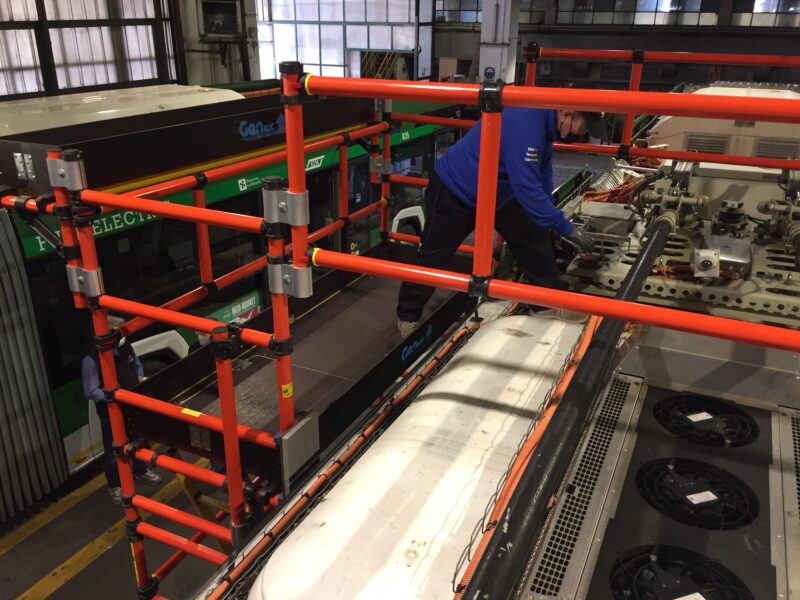
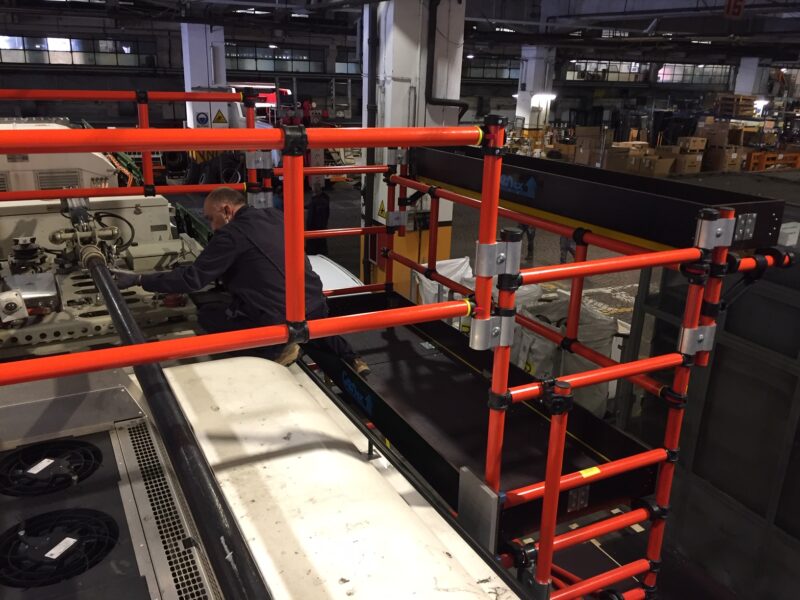
View detailsUse vehicle-manufacturer service procedures and the supplied access-system instructions alongside the facility's task review. The photos show bus rooftop maintenance access; they do not establish the specifications or suitability of a quoted system.
OSHA general-industry scaffold requirements refer to the scaffold requirements in 1926 Subpart L. For servicing hazards, consult hazardous-energy control and electrical work practices; the responsible employer determines how the requirements apply.
Discuss broader material options through Scaffold Syndicate's bus and transit access resources, or request a fiberglass access quote. Updated October 5, 2026.
Continue your research
Move between product, application and technical pages without losing the context of the current decision.
Page-specific answers
Clear answers help teams evaluate fit, collect the right project details and begin a productive conversation.
Ask a QuestionIt can be evaluated for the technician's working position. Glazing handling, platform loads and vehicle separation must be reviewed for the task.
No such function is implied. Glass handling and support require separately specified, suitable equipment.
Curvature, mirrors, wipers and front-corner geometry can change deck position, working reach and available footprint.
Describe the exposures in the inquiry. Manufacturer guidance and the responsible task review determine material and equipment suitability.
Need the right configuration?
Share the application, footprint, environment and access requirements. We’ll help identify a practical next step.
Specialized companies. One access network.